Advertisement
When you or your child gets sick or hurt, it is not always obvious where to go. Choosing the right place can mean shorter waits for you, and it keeps emergency departments free for the people who need them most. Here is a simple guide for Canada.
Call 911 for these
Call 911, or go to the nearest emergency department, for signs of a life-threatening problem, such as:
- Chest pain or pressure, especially with shortness of breath, sweating or nausea
- Signs of stroke: face drooping, arm weakness, or slurred speech
- Severe difficulty breathing
- Heavy bleeding that will not stop
- Loss of consciousness, a seizure, or sudden confusion
- A serious injury, such as a bad fall, a head injury or a broken bone that is out of place
- A severe allergic reaction
- Thoughts of suicide or of harming someone else
If in doubt, call 911. Do not drive yourself if you have chest pain or stroke symptoms.
Your options at a glance
| Option | Best for |
|---|---|
| 811 health line | Not sure what to do? A registered nurse can advise you by phone, in most provinces and territories, 24/7. |
| Pharmacist | Medication questions and, in many provinces, assessment and prescriptions for certain minor ailments. |
| Family doctor or nurse practitioner | Ongoing problems, check-ups, prescription renewals, referrals and anything that can wait a day or two. |
| Walk-in clinic or virtual care | Minor illnesses when your own doctor is not available: colds, ear aches, rashes, urinary infections. |
| Urgent care centre | Problems that need attention today but are not life-threatening: sprains, minor cuts that need stitches, possible simple fractures. |
| Emergency department | Serious or life-threatening illness or injury. |
Family doctor first, when you can
Your family doctor knows your history, so they are usually the best place for anything that is not urgent. Many family practices keep same-day or next-day spots for sick patients, so call early in the morning. If you do not have a family doctor, read how to find a family doctor in Canada.
Walk-in clinics
Walk-in clinics see patients without an appointment, or with same-day booking. They are good for one-off minor problems. Tips:
- Check the clinic’s hours and whether you can book online or join a virtual queue.
- Bring your provincial health card and a list of your medications.
- Ask the clinic to send a visit note to your family doctor, so your records stay complete.
Search our clinics and hospitals directory to find clinics near you.
Urgent care centres
Urgent care centres sit between a walk-in clinic and an emergency department. Many can do X-rays and basic tests, and treat injuries that need care today. They are not available in every community, and their hours vary, so check before you go.
The emergency department
Emergency departments in Canada use triage, so patients are seen in order of how urgent their condition is, not in order of arrival. A nurse assesses you on arrival using the Canadian Triage and Acuity Scale. If you have a less urgent problem, you may wait a long time while sicker patients go first. That is a sign the system is working as designed.
If your condition gets worse while you wait, tell the triage nurse straight away.
What to bring
- Your provincial health card and photo ID
- A list of your medications, doses and allergies
- Your family doctor’s name and contact details
- A phone charger, and something to read
Frequently asked questions
What is 811?
811 connects you to a free health information line run by your province or territory, where you can speak with a registered nurse. Availability and services vary slightly by province.
Can I go to a walk-in clinic if I have a family doctor?
Yes, though some provinces and practice models encourage you to see your own doctor first. Your family doctor may also offer after-hours care.
This article is general information, not medical advice. In an emergency, call 911.
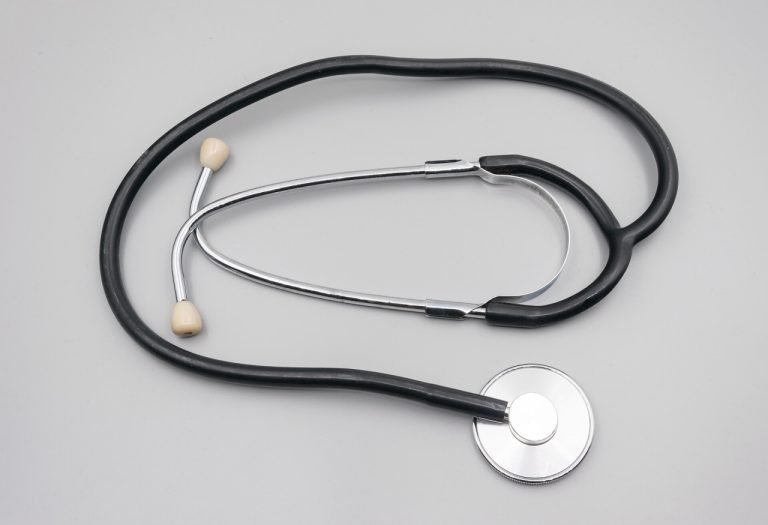
Photo: Ben MacLeod, Wikimedia Commons, CC BY-SA 4.0